Does Laser Eye Surgery Hurt? What Patients Actually Experience

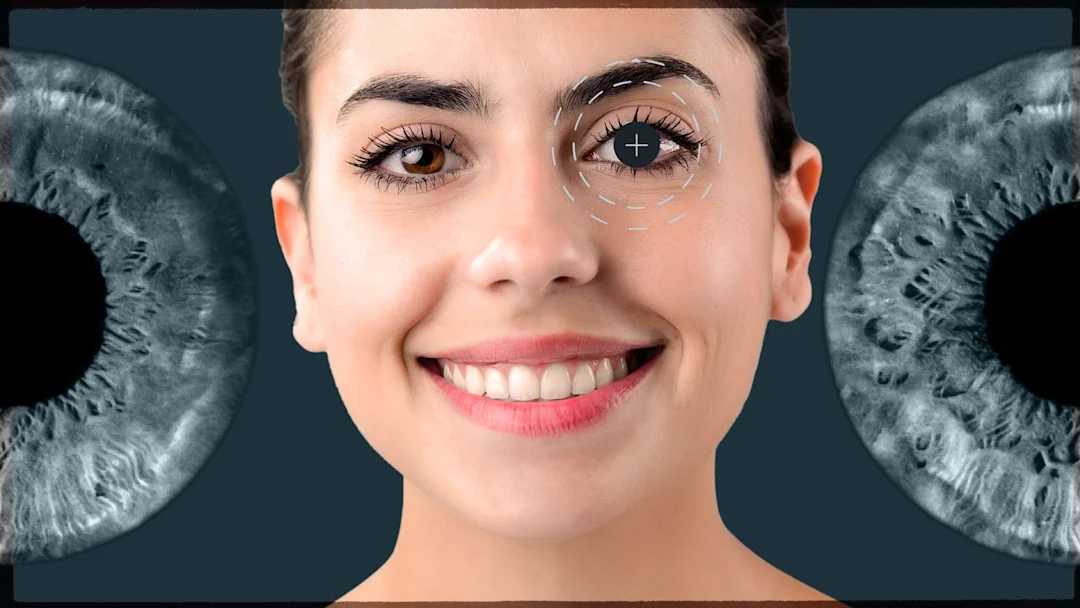
One of the most common concerns people have before undergoing laser eye surgery is pain. The thought of a laser near the eyes can sound intimidating, and many patients delay treatment simply because they fear discomfort. The good news is that modern laser eye procedures are designed to be safe, quick, and far more comfortable than most people expect. Understanding what actually happens before, during, and after the procedure can help ease anxiety and set realistic expectations.
In this article, we’ll break down whether laser eye surgery hurts, what sensations patients typically feel, and how discomfort is managed at every stage.
Understanding Laser Eye Surgery
Laser eye surgery refers to procedures like LASIK, Femto LASIK, PRK, and SMILE that correct vision problems such as nearsightedness, farsightedness, and astigmatism. These treatments reshape the cornea so that light focuses properly on the retina, improving vision without glasses or contact lenses.
Over the years, advancements in laser technology, precision instruments, and anesthesia techniques have significantly improved patient comfort. Today, laser eye surgery is one of the most commonly performed elective medical procedures worldwide.
Does Laser Eye Surgery Hurt During the Procedure?
The Short Answer: No, It Doesn’t Hurt
Most patients are surprised by how painless laser eye surgery actually is. Before the procedure begins, anesthetic eye drops are applied to numb the surface of your eyes completely. These drops work quickly and effectively, ensuring you don’t feel pain during the surgery.
You remain awake throughout the procedure, but there is no cutting sensation or sharp pain. The laser itself does not cause burning or stinging.
What You Might Feel Instead
While pain is not typical, some sensations are normal:
-
Pressure: During LASIK or Femto LASIK, you may feel mild pressure for a few seconds when the corneal flap is created.
-
Light Sensitivity: Bright lights are used, and you’ll be asked to focus on a fixation point.
-
Watering or Mild Awareness: Some patients describe a feeling of something touching the eye, but it’s not painful.
The actual laser time usually lasts less than a minute per eye, and the entire procedure often takes 10–15 minutes for both eyes.
What Happens Immediately After Surgery?
Once the procedure is complete, the numbing drops gradually wear off. This is when patients may start noticing mild discomfort—but still not pain in the traditional sense.
Common Immediate Sensations Include:
-
Mild burning or irritation
-
A gritty or sandy feeling in the eyes
-
Watery eyes
-
Slight light sensitivity
These symptoms are temporary and usually peak within the first few hours. Many patients who undergo laser eye surgery in Chinchwad report that resting their eyes soon after the procedure significantly reduces discomfort.
Does Recovery Hurt?
LASIK and SMILE Recovery
For LASIK and SMILE procedures, recovery is generally quick and comfortable. Most patients notice improved vision within 24 hours.
-
Discomfort is usually mild and short-lived
-
Dryness is common but manageable with lubricating eye drops
-
Pain is rare
PRK Recovery
PRK involves surface-level corneal healing, so recovery takes longer. Patients may experience:
-
Moderate discomfort for 2–3 days
-
Light sensitivity
-
Blurry vision during early healing
Even with PRK, pain is well controlled using prescribed medications, protective contact lenses, and proper aftercare.
How Doctors Minimize Discomfort
Modern laser eye surgery protocols focus heavily on patient comfort. Here’s how discomfort is kept to a minimum:
-
Advanced anesthetic drops eliminate pain during the procedure
-
Precision lasers reduce tissue trauma
-
Cooling systems prevent heat-related discomfort
-
Post-surgery medications manage inflammation and dryness
-
Detailed aftercare instructions support smooth healing
Clinics offering laser eye surgery in Chinchwad typically follow strict safety and comfort guidelines to ensure patients feel at ease throughout the process.
Pain vs Anxiety: What Most Patients Actually Feel
Interestingly, many patients realize afterward that their fear was worse than the experience itself. Anxiety before surgery is common, especially for first-time patients. However, once the procedure begins, most are surprised by how quick and painless it is.
Patients often describe the experience as:
-
“Uncomfortable but not painful”
-
“Over before I knew it”
-
“Much easier than expected”
Clear communication from the surgeon and knowing what to expect plays a big role in reducing fear-related discomfort.
How Long Does Any Discomfort Last?
For most patients:
-
Mild irritation lasts a few hours
-
Dryness may last a few weeks
-
Vision stabilizes within days to weeks
Severe or long-lasting pain is not normal and should be reported immediately. Proper follow-up visits ensure that healing is on track and any concerns are addressed early.
Tips to Stay Comfortable After Surgery
To ensure a smooth, pain-free recovery:
-
Rest your eyes for the first 24 hours
-
Avoid rubbing your eyes
-
Use prescribed eye drops as directed
-
Wear protective eyewear if advised
-
Avoid screens for extended periods initially
-
Attend all follow-up appointments
Following these steps significantly reduces discomfort and speeds up recovery.
Is Laser Eye Surgery Worth It Despite the Fear of Pain?
For most people, the answer is yes. The brief and manageable discomfort is often outweighed by the long-term benefits of clear vision without dependence on glasses or contact lenses. With modern techniques, laser eye surgery is far less painful than many routine dental or medical procedures.
If fear of pain has been holding you back, it may help to speak with an experienced eye surgeon who can walk you through the process and address your concerns personally.
Final Thoughts
So, does laser eye surgery hurt? The honest answer is that it’s far more comfortable than most people imagine. While you may feel mild pressure or temporary irritation, actual pain is rare and short-lived. Advances in technology and patient care have made laser vision correction a safe, efficient, and largely pain-free experience.
If you’re considering laser eye surgery in Chinchwad, understanding what patients actually experience can help you approach the procedure with confidence rather than fear. With the right guidance and aftercare, clearer vision can be achieved comfortably and safely.
Author Bio
Article Comments
No Comments!
At present there are zero comments on this article.
Why not be the first to make a comment?
Similar Articles
Search Pages
Upgrade User Account
account to full use of editor,
including hyperlinks
Article Categories
There are zero sub-categories in this parent category.
There are zero sub-categories in this parent category.
Featured Articles


Featured Article Authors