Best Foods For Strong Eye Health And Clear Vision

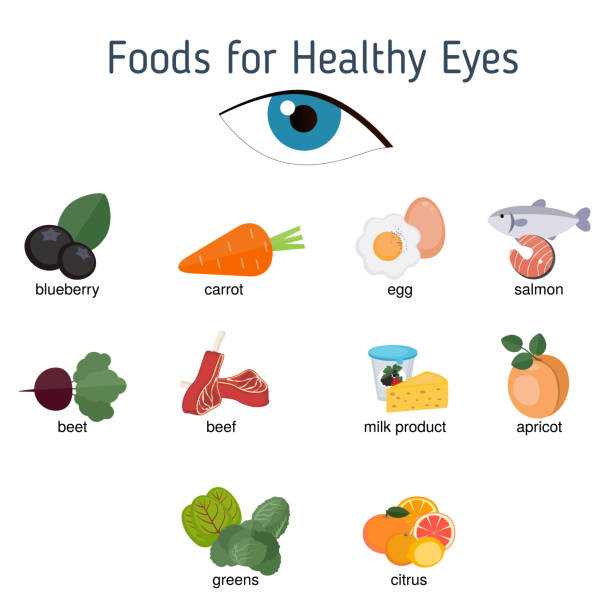
Your eyes work constantly—from reading and driving to screen use and adjusting to changing light. While regular eye check-ups are essential, what you eat every day plays a major role in maintaining strong eye health and clear vision. A balanced diet rich in specific nutrients can help protect your eyes from fatigue, dryness, and age-related conditions.
Understanding which foods support eye health allows you to take a proactive approach to preserving your vision for years to come.
Why Nutrition Matters for Eye Health
The eyes rely on a steady supply of vitamins, minerals, and antioxidants to function properly. Poor dietary habits can increase the risk of eye problems such as dryness, night blindness, cataracts, and macular degeneration.
Nutrients like vitamin A, omega-3 fatty acids, lutein, zinc, and antioxidants help protect eye tissues from oxidative damage and support clear, comfortable vision. Combined with regular eye examinations, proper nutrition forms the foundation of long-term eye health.
Leafy Green Vegetables for Eye Protection
Leafy greens such as spinach, kale, and collard greens are rich in lutein and zeaxanthin—two powerful antioxidants found in the retina. These nutrients:
-
Protect eyes from harmful light
-
Reduce the risk of macular degeneration
-
Support visual sharpness
Including a serving of leafy greens daily can significantly improve eye resilience, especially for people who spend long hours on digital screens.
Carrots and Vitamin A-Rich Foods
Carrots are widely known for supporting eye health due to their high beta-carotene content, which the body converts into vitamin A. Vitamin A is essential for:
-
Night vision
-
Maintaining a healthy cornea
-
Preventing dry eyes
Other vitamin A-rich foods include sweet potatoes, pumpkin, and red bell peppers. A deficiency in this vitamin can lead to vision issues and dryness.
Fatty Fish for Eye Moisture and Comfort
Omega-3 fatty acids play a crucial role in maintaining eye moisture and reducing inflammation. Fatty fish such as:
-
Salmon
-
Sardines
-
Mackerel
-
Tuna
help improve tear quality and reduce symptoms of dry eye syndrome. Omega-3s are especially beneficial for people who work on screens for long hours.
Citrus Fruits and Vitamin C
Vitamin C is a powerful antioxidant that helps protect eye tissues from oxidative stress. It also supports blood vessels in the eyes and may reduce the risk of cataracts.
Citrus fruits such as oranges, lemons, and grapefruits are excellent sources of vitamin C. Including them in your daily diet helps maintain overall eye strength and clarity.
Nuts and Seeds for Long-Term Eye Health
Almonds, walnuts, flaxseeds, and chia seeds provide vitamin E and omega-3 fatty acids, which protect eye cells from damage caused by free radicals.
Vitamin E is particularly effective in slowing age-related eye changes. A small handful of nuts daily can support long-term eye health when consumed as part of a balanced diet.
Eggs for Retinal Support
Eggs are a nutrient powerhouse for eye health. They contain:
-
Lutein and zeaxanthin
-
Zinc
-
Vitamin A
These nutrients support the retina and help reduce the risk of age-related vision problems. Eggs are also easily absorbed by the body, making them an excellent choice for maintaining clear vision.
Whole Grains for Steady Eye Nutrition
Whole grains such as brown rice, oats, and whole wheat bread help regulate blood sugar levels, which is important for preventing eye complications related to diabetes.
Stable blood sugar supports healthy blood vessels in the eyes and reduces the risk of diabetic eye disease. Choosing whole grains over refined carbohydrates benefits both eye health and overall wellness.
Berries for Antioxidant Protection
Berries like blueberries, strawberries, and blackberries are packed with antioxidants that protect eye cells from damage and inflammation.
These fruits support:
-
Better circulation to the eyes
-
Reduced oxidative stress
-
Improved visual comfort
Adding berries to your breakfast or snacks is a delicious way to support eye health naturally.
Dairy Products and Zinc-Rich Foods
Zinc helps transport vitamin A from the liver to the retina, where it produces melanin—a pigment that protects the eyes. Dairy products, lean meats, legumes, and whole grains provide zinc essential for eye function.
Adequate zinc intake supports night vision and helps maintain healthy retinal cells.
Hydration and Eye Comfort
Staying hydrated is just as important as eating the right foods. Dehydration can worsen dry eye symptoms and eye fatigue.
Drinking enough water throughout the day helps:
-
Maintain tear production
-
Reduce eye dryness
-
Improve overall comfort
Hydration complements nutrition in maintaining healthy vision.
Combine Nutrition with Professional Eye Care
While a healthy diet significantly supports eye health, it cannot replace regular eye examinations. Nutritional needs vary based on age, lifestyle, and existing eye conditions.
Consulting a trusted eye specialist pimpri chinchwad ensures your eye health is monitored professionally. An eye specialist can identify early signs of deficiencies, vision changes, or underlying conditions and guide you on both dietary and medical care.
Foods to Limit for Better Eye Health
Just as some foods benefit the eyes, others may harm them when consumed excessively:
-
Highly processed foods
-
Sugary snacks and beverages
-
Excessive salt intake
These foods can increase inflammation, affect blood sugar, and contribute to eye fatigue and long-term vision problems.
Final Thoughts
Strong eye health and clear vision start with everyday choices. Incorporating nutrient-rich foods like leafy greens, fatty fish, fruits, nuts, and whole grains can protect your eyes from damage and support visual clarity at every age.
Combined with healthy habits and regular consultations with an experienced eye specialist pimpri chinchwad, proper nutrition plays a vital role in preserving your vision. Small dietary changes today can lead to healthier eyes and better vision for years to come.
Author Bio
Article Comments
No Comments!
At present there are zero comments on this article.
Why not be the first to make a comment?
Similar Articles
Search Pages
Upgrade User Account
account to full use of editor,
including hyperlinks
Article Categories
There are zero sub-categories in this parent category.
There are zero sub-categories in this parent category.
Featured Articles









Featured Article Authors