Is Laser Eye Surgery Safe? What Patients Should Know

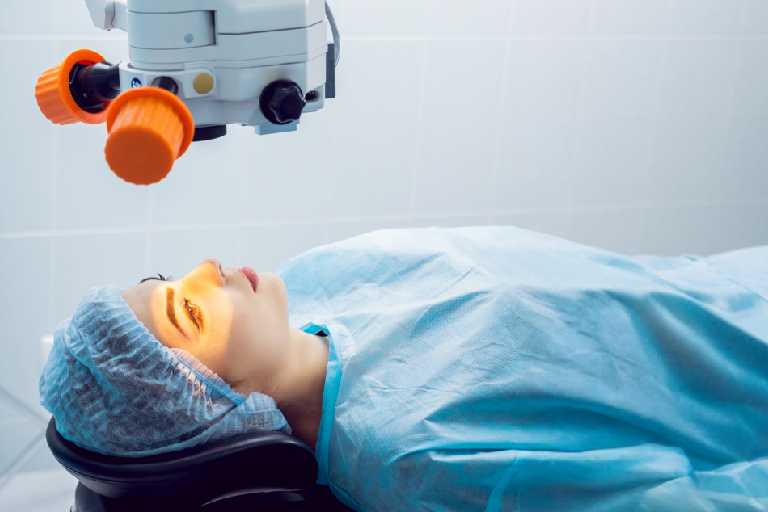
Laser eye surgery has transformed the way vision problems like nearsightedness, farsightedness, and astigmatism are treated. For people tired of relying on glasses or contact lenses, it offers a long-term solution with the promise of clearer vision and greater convenience. Yet, one of the most common questions patients ask is simple and important: Is laser eye surgery safe? Understanding how the procedure works, who it is suitable for, and what risks and benefits are involved can help you make an informed decision.
What Is Laser Eye Surgery?
Laser eye surgery is a vision correction procedure that reshapes the cornea—the clear front surface of the eye—so that light focuses correctly on the retina. When the cornea’s shape is adjusted precisely, vision improves significantly. Common types of laser eye surgery include LASIK, PRK, and SMILE, each designed for specific eye conditions and patient needs.
Advancements in technology over the years have made these procedures more accurate, predictable, and safer than ever before. Modern laser systems use detailed eye mapping and computer-guided precision to customize treatment for each individual eye.
How Safe Is Laser Eye Surgery?
In general, laser eye surgery is considered very safe when performed on suitable candidates by experienced eye surgeons. Millions of procedures are performed worldwide every year, with a high success rate and patient satisfaction. Serious complications are rare, especially when pre-surgery evaluations are thorough and post-surgery care instructions are followed carefully.
Safety largely depends on three factors:
-
Proper patient selection
-
Advanced technology
-
Surgeon expertise
When all three align, the likelihood of achieving good visual outcomes is extremely high.
Who Is a Good Candidate?
Not everyone is an ideal candidate for laser eye surgery, which is why detailed screening is essential. A comprehensive eye examination evaluates factors such as corneal thickness, eye health, pupil size, tear production, and the stability of your vision prescription.
You may be a good candidate if:
-
You are over 18 years old
-
Your vision prescription has been stable for at least a year
-
You have healthy eyes with no active infections or severe dryness
-
Your cornea is thick enough for reshaping
Patients with certain conditions—such as uncontrolled diabetes, autoimmune disorders, or severe dry eye—may require alternative treatments or special precautions.
Common Types of Laser Eye Surgery and Their Safety
LASIK
LASIK is the most popular form of laser eye surgery. It involves creating a thin flap on the cornea, reshaping the underlying tissue with a laser, and then repositioning the flap. LASIK is known for quick recovery and minimal discomfort.
PRK
PRK is often recommended for patients with thinner corneas. Instead of creating a flap, the outer layer of the cornea is gently removed before reshaping. Healing takes a little longer than LASIK, but long-term results are comparable and safe.
SMILE
SMILE is a newer, minimally invasive procedure that uses a small incision to reshape the cornea. It preserves more corneal strength and may reduce dry eye symptoms in some patients.
All these procedures have strong safety records when performed under proper medical guidance.
Possible Risks and Side Effects
Like any medical procedure, laser eye surgery does carry some risks, but most side effects are temporary and manageable. Common short-term effects include:
-
Dry eyes
-
Mild irritation or burning sensation
-
Light sensitivity
-
Glare or halos around lights, especially at night
These symptoms usually improve within weeks or months as the eyes heal. Serious complications such as infection, under-correction, or vision loss are very rare, especially with modern technology and strict safety protocols.
Understanding these risks beforehand helps set realistic expectations and reduces anxiety about the procedure.
The Importance of Pre-Surgery Evaluation
A thorough pre-surgery assessment is one of the most important steps in ensuring safety. This includes detailed corneal mapping, eye pressure measurements, retinal examination, and tear film analysis. These tests help the surgeon determine not only whether you are suitable for surgery but also which procedure is safest for your eyes.
Clinics offering laser eye surgery in Chinchwad typically emphasize comprehensive diagnostics to minimize risks and tailor the treatment to individual eye anatomy.
What to Expect During the Procedure
Laser eye surgery is usually completed within 15–30 minutes for both eyes. The procedure itself is painless, as numbing eye drops are used. Patients remain awake and are guided throughout the process.
You may feel slight pressure or notice temporary blurring, but most patients are surprised by how quick and comfortable the procedure is. Vision often begins to improve within hours or days, depending on the type of surgery performed.
Recovery and Post-Surgery Care
Recovery time varies based on the procedure, but most patients return to normal activities within a few days. LASIK typically offers the fastest visual recovery, while PRK may take a little longer.
Post-surgery care is critical for safety and long-term success. This usually includes:
-
Using prescribed eye drops to prevent infection and dryness
-
Avoiding rubbing the eyes
-
Wearing protective eyewear if advised
-
Attending follow-up appointments to monitor healing
Following your surgeon’s instructions carefully plays a major role in achieving optimal results.
Long-Term Safety and Results
One of the reassuring aspects of laser eye surgery is its long-term safety record. For the majority of patients, vision correction remains stable for many years. While natural age-related changes like presbyopia (difficulty focusing on near objects) can still occur later in life, laser surgery does not increase the risk of future eye disease.
Most patients report improved quality of life, greater independence from corrective lenses, and high satisfaction with their visual outcomes.
Choosing the Right Clinic and Surgeon
Safety is not just about the procedure—it’s also about where and by whom it is performed. Choosing a reputed clinic with experienced surgeons, advanced technology, and transparent patient communication is essential.
If you are considering laser eye surgery in Chinchwad, look for a clinic that prioritizes patient education, detailed evaluations, and personalized treatment planning. Asking questions, understanding the procedure, and feeling comfortable with your care team are all part of making a safe choice.
Final Thoughts
So, is laser eye surgery safe? For most eligible patients, the answer is yes. With modern technology, strict screening protocols, and skilled surgeons, laser eye surgery has become one of the safest elective procedures in eye care today. The key lies in proper evaluation, realistic expectations, and choosing the right medical provider.
If you’re considering vision correction, take the time to consult an experienced eye specialist, understand your options, and decide what’s best for your eyes and lifestyle. Clearer vision can be life-changing—when done safely and thoughtfully.
Author Bio
Article Comments
No Comments!
At present there are zero comments on this article.
Why not be the first to make a comment?
Similar Articles
Search Pages
Upgrade User Account
account to full use of editor,
including hyperlinks
Article Categories
There are zero sub-categories in this parent category.
There are zero sub-categories in this parent category.
Featured Articles





Featured Article Authors