Eye Treatments For Children: When Parents Should Act

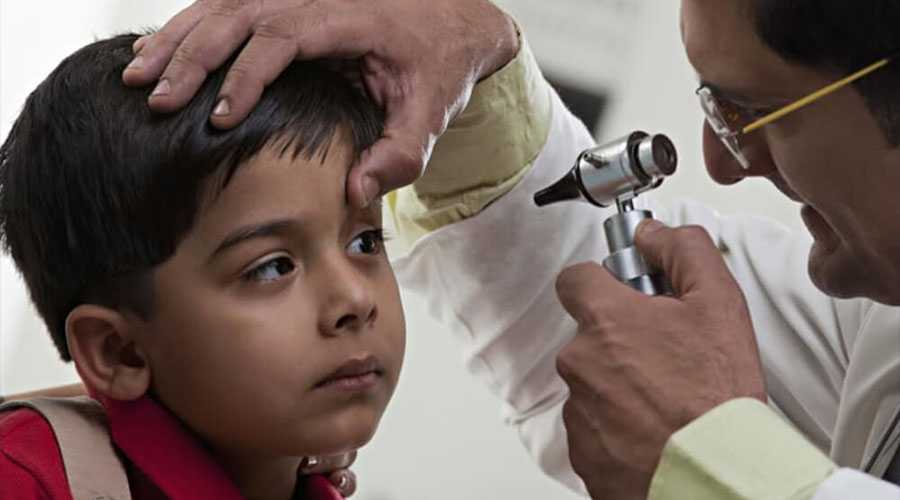
Children rely heavily on their vision for learning, social interaction, and overall development. From reading and writing to playing sports and exploring the world, healthy eyesight plays a critical role in shaping a child’s future. Yet, eye problems in children often go unnoticed because kids may not realize something is wrong or may not communicate their difficulties clearly. This makes it essential for parents to understand common eye issues, warning signs, and when timely eye treatment becomes necessary.
Early detection and intervention can prevent long-term vision problems, improve academic performance, and support healthy growth. Knowing when to act is the first step toward safeguarding your child’s eyesight.
Why Children’s Eye Health Needs Special Attention
Unlike adults, children’s visual systems are still developing. Any untreated eye condition during childhood can interfere with this development and lead to permanent vision impairment. Problems such as refractive errors, lazy eye, or eye alignment issues may worsen over time if not corrected early.
Children may adapt to poor vision by sitting closer to screens, avoiding reading, or struggling silently in school. Parents and caregivers play a crucial role in observing subtle changes and seeking professional eye care when needed.
Common Eye Problems in Children
Understanding the most frequent eye conditions affecting children can help parents act promptly.
Refractive Errors
Nearsightedness (myopia), farsightedness (hyperopia), and astigmatism are common in children. These issues cause blurred vision and can affect school performance. Glasses or contact lenses usually provide effective correction.
Lazy Eye (Amblyopia)
Amblyopia occurs when one eye is weaker than the other. If not treated early, the brain may start ignoring signals from the weaker eye, leading to permanent vision loss. Early treatment often includes patching, glasses, or vision therapy.
Squint or Crossed Eyes (Strabismus)
This condition involves misalignment of the eyes, which can lead to double vision or poor depth perception. Treatment may include glasses, eye exercises, or surgery, depending on severity.
Eye Infections and Allergies
Children are prone to eye infections like conjunctivitis, as well as allergic eye conditions. Redness, itching, discharge, and watering are common signs that require medical attention.
Digital Eye Strain
Increased screen time has led to more cases of eye strain, dryness, and headaches in children. While often temporary, prolonged strain can impact comfort and visual efficiency.
Early Warning Signs Parents Should Not Ignore
Children may not always complain about vision problems, so parents should watch for behavioral and physical clues, such as:
- Squinting or closing one eye while reading or watching TV
- Frequent headaches or eye rubbing
- Sitting very close to screens or books
- Difficulty concentrating on schoolwork
- Poor hand-eye coordination
- Sensitivity to light
- Redness, watering, or discharge from the eyes
If any of these signs persist, it’s important to consult an eye specialist professional promptly.
When Should Children Have Eye Exams?
Regular eye check-ups are essential, even if no obvious symptoms are present. Eye specialists generally recommend:
- **First eye check-up: **Around 6 months of age
*** Preschool years: **At least once between ages 3 and 5 - **School-going children: **Every 1–2 years, or as advised
Children who have a family history of eye problems, premature birth, or developmental delays may need more frequent evaluations.
Parents seeking an experienced eye specialist pimpri chinchwad often look for clinics that understand the unique needs of pediatric eye care and offer child-friendly diagnostic approaches.
Importance of Early Treatment
Early eye treatment can significantly improve outcomes. Many childhood eye conditions respond best when treated during the early years, while the visual system is still adaptable.
For example:
- Lazy eye treatment is most effective before the age of 7–8
- Squint correction can improve both appearance and vision if done early
- Early correction of refractive errors can enhance learning and confidence
Delaying treatment may result in irreversible vision loss or long-term visual challenges.
Role of Parents in Supporting Eye Health
Parents play a vital role beyond scheduling eye appointments. Simple habits can support healthy vision, such as:
- Encouraging outdoor play to reduce myopia progression
- Limiting screen time and ensuring regular breaks
- Ensuring proper lighting while reading or studying
- Promoting a balanced diet rich in vitamins A, C, and E
- Teaching children not to rub their eyes with dirty hands
Creating awareness and healthy routines at home can complement professional eye care.
Specialized Eye Treatments for Children
Pediatric eye treatments are tailored to a child’s age, condition, and comfort level. These may include:
- Prescription glasses or contact lenses
- Vision therapy exercises
- Patching therapy for lazy eye
- Medical management of infections and allergies
- Surgical intervention for specific conditions like severe squint
Modern pediatric ophthalmology focuses on minimally invasive, child-friendly techniques to reduce fear and ensure cooperation.
Emotional and Academic Impact of Untreated Eye Problems
Undiagnosed vision issues can affect more than just eyesight. Children may experience:
- Poor academic performance
- Reduced confidence and self-esteem
- Behavioral issues due to frustration
- Difficulty in sports and social activities
Timely eye treatment can positively influence a child’s overall well-being, helping them thrive academically and socially.
Choosing the Right Eye Care for Your Child
When selecting an eye care provider, parents should look for experience in pediatric ophthalmology, a supportive environment, and clear communication. Clinics that prioritize child comfort and education often make eye visits less intimidating.
Facilities like Omkar Eye Hospital focus on comprehensive eye care, including specialized services for children, ensuring accurate diagnosis and age-appropriate treatment plans under expert supervision.
When Parents Should Act Without Delay
Immediate medical attention is required if a child experiences:
- Sudden vision loss or blurred vision
- Eye injury or trauma
- Severe pain, redness, or swelling
- Persistent discharge or sensitivity to light
Such symptoms should never be ignored, as prompt treatment can prevent serious complications.
Final Thoughts
Children’s eye health is an investment in their future. Many eye conditions are treatable, especially when identified early. Parents who stay alert to warning signs, schedule regular eye exams, and seek timely treatment can help their children enjoy clear vision and a better quality of life.
By understanding when to act and choosing the right care, parents can ensure that their child’s visual development stays on track, supporting learning, confidence, and lifelong eye health.
Source: https://www.theseobacklink.com/detail/eye-treatments-for-children-when-parents-should-act211280
Author Bio
Article Comments
No Comments!
At present there are zero comments on this article.
Why not be the first to make a comment?
Similar Articles
Search Pages
Upgrade User Account
account to full use of editor,
including hyperlinks
Article Categories
There are zero sub-categories in this parent category.
There are zero sub-categories in this parent category.
Featured Articles






Featured Article Authors