Common Myths About Root Canal Treatment You Should Stop Believing

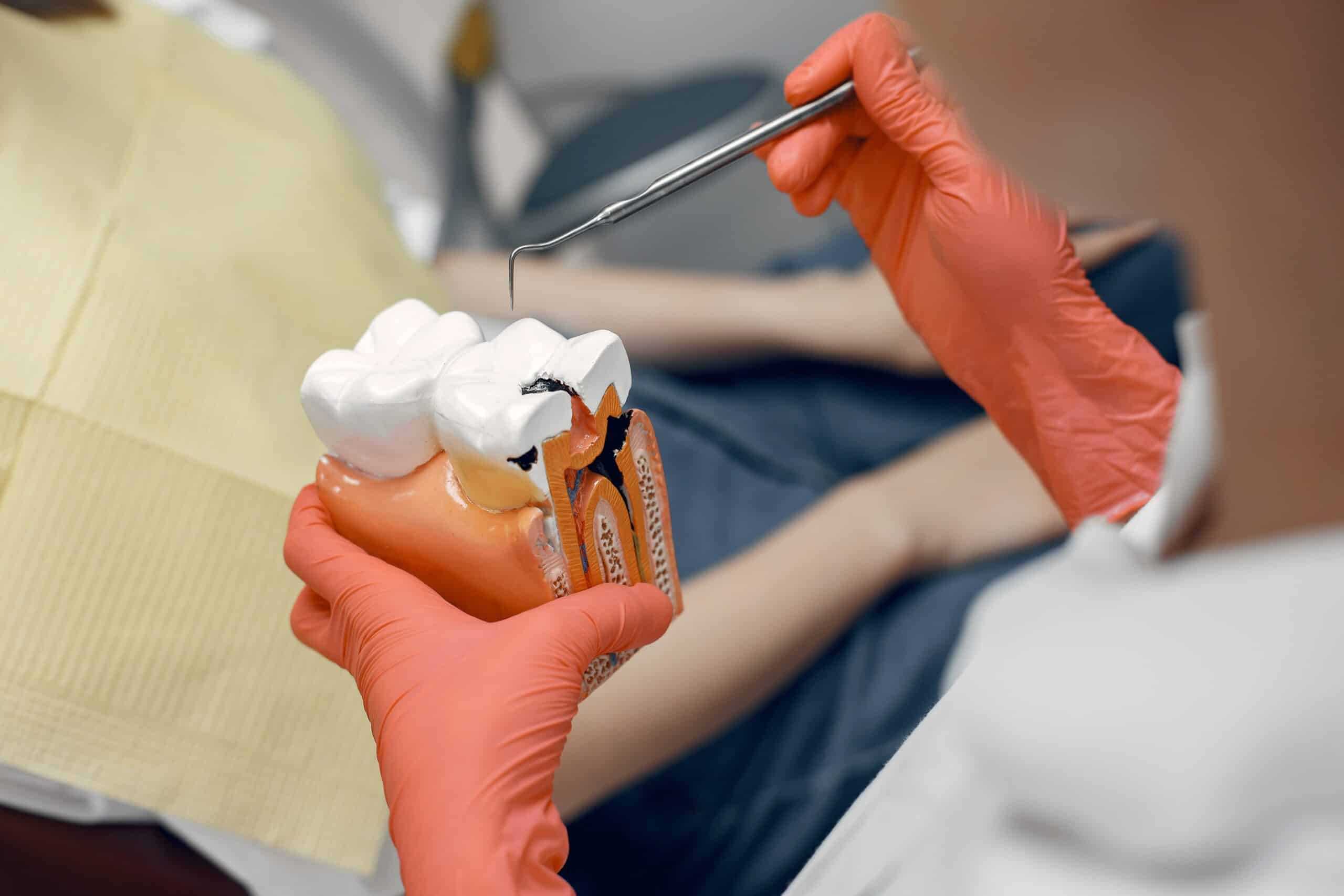
Root canal treatment is one of the most misunderstood dental procedures. For decades, myths and outdated beliefs have caused unnecessary fear, leading many people to delay treatment even when they are in severe pain. The reality is that modern dentistry has transformed root canal therapy into a safe, effective, and relatively comfortable procedure designed to save natural teeth and relieve pain.
Unfortunately, misinformation continues to circulate, often preventing patients from making informed decisions about their oral health. Understanding the truth behind common myths can help you approach treatment with confidence and clarity.
This article breaks down the most common misconceptions about root canal treatment and explains what you really need to know.
Myth 1: Root Canal Treatment Is Extremely Painful
This is the most widespread myth — and also the most inaccurate.
Modern root canal treatment is performed under local anesthesia, which means the procedure itself is usually no more uncomfortable than getting a dental filling. In fact, root canal treatment is intended to relieve pain, not cause it.
The severe pain people associate with root canals typically comes from the infection or inflammation inside the tooth, not from the treatment. Once the infected tissue is removed, most patients experience significant relief.
Myth 2: It’s Better to Extract the Tooth Than Get a Root Canal
Tooth extraction may seem like a quicker or cheaper solution, but it often leads to more complex problems in the long run.
Saving your natural tooth is almost always the better option because:
-
It preserves proper chewing function
-
It prevents neighboring teeth from shifting
-
It maintains jawbone health
-
It avoids the need for replacements like implants or bridges
Root canal treatment allows you to keep your natural tooth while eliminating infection, making it a conservative and long-term solution.
Myth 3: Root Canal Treatment Takes Multiple Painful Appointments
Many people believe that root canal treatment requires several long and uncomfortable visits. While complex cases may need more than one appointment, most root canals today can be completed in one or two visits, depending on the severity of infection and tooth condition.
Advancements in imaging, rotary instruments, and treatment techniques have significantly reduced procedure time while improving accuracy and comfort.
Myth 4: Root Canal-Treated Teeth Don’t Last Long
A properly performed root canal treatment, followed by appropriate restoration such as a dental crown, can last many years — often a lifetime.
The key factors that influence longevity include:
-
Timely treatment
-
Proper cleaning and sealing of the canals
-
Good oral hygiene
-
Regular dental check-ups
Root canal-treated teeth are functional and durable when cared for correctly.
Myth 5: Root Canal Treatment Causes Illness
This myth originated from outdated research conducted nearly a century ago and has since been thoroughly disproven.
There is no scientific evidence linking root canal treatment to systemic illnesses. In fact, leaving an infected tooth untreated can allow bacteria to spread, potentially causing more serious health complications.
Modern sterilization techniques and evidence-based dentistry ensure that root canal treatment is safe and beneficial.
Myth 6: You Only Need a Root Canal If You’re in Severe Pain
Pain is not always present, even when a tooth is severely infected.
Some teeth develop chronic infections that progress silently, causing:
-
Mild sensitivity
-
Gum swelling
-
Tooth discoloration
-
Abscess formation without intense pain
Regular dental check-ups help identify such issues early. If imaging shows infection inside the tooth, root canal treatment may be necessary even if pain is minimal.
Myth 7: Root Canal Treatment Weakens the Tooth
Root canal treatment removes infected pulp tissue, not the tooth structure itself. What weakens teeth is extensive decay or fractures, not the treatment.
In fact, restoring the tooth after a root canal — often with a crown — helps protect it from further damage and restores strength for normal function.
Myth 8: Antibiotics Can Replace Root Canal Treatment
Antibiotics may temporarily reduce infection-related symptoms, but they cannot eliminate the source of infection inside the tooth.
The infected pulp tissue must be physically removed to fully resolve the problem. Relying on antibiotics alone can allow the infection to return, often more aggressively.
Root canal treatment addresses the root cause rather than masking symptoms.
Myth 9: Root Canal Treatment Is Too Expensive
While cost is a concern for many patients, root canal treatment is often more affordable than tooth extraction followed by replacement options like implants or bridges.
Delaying treatment can also increase costs by allowing the infection to spread, requiring more complex procedures later.
Patients seeking root canal treatment in Somalwada benefit from clinics that focus on accurate diagnosis and conservative care, ensuring effective treatment without unnecessary expenses.
Myth 10: Modern Dentistry Has Made Root Canals Obsolete
Some believe that dental implants have replaced the need for root canal treatment. While implants are an excellent option for missing teeth, they are not a substitute for saving a natural tooth when possible.
Dentistry prioritizes preservation. If a tooth can be saved safely through root canal treatment, it is usually the preferred choice.
What Really Happens During Root Canal Treatment
Understanding the procedure helps eliminate fear.
A root canal typically involves:
-
Removing infected or damaged pulp
-
Cleaning and disinfecting the canals
-
Sealing the canals to prevent reinfection
-
Restoring the tooth for normal function
The goal is to eliminate infection, relieve pain, and preserve your natural tooth.
Why Timely Root Canal Treatment Matters
Delaying treatment can lead to:
-
Increased pain and swelling
-
Spread of infection to surrounding bone
-
Abscess formation
-
Tooth loss
Early intervention simplifies treatment, improves outcomes, and reduces overall discomfort.
Choosing the Right Dental Clinic Makes a Difference
Root canal treatment requires precision, experience, and attention to detail. Clinics that emphasize accurate diagnosis, patient comfort, and modern techniques can significantly improve the treatment experience.
Salankar Dental and Implant Clinic focuses on patient-centered dental care, offering root canal treatments that aim to eliminate pain, preserve natural teeth, and support long-term oral health through conservative and evidence-based approaches.
Final Thoughts
Root canal treatment has evolved dramatically over the years, yet myths continue to overshadow facts. Modern root canal therapy is safe, effective, and designed to relieve pain — not cause it.
Believing outdated misconceptions can lead to unnecessary fear and delayed care, often resulting in avoidable complications. Understanding the truth empowers you to make informed decisions about your dental health.
If you’ve been postponing treatment due to fear or misinformation, it may be time to reassess. Root canal treatment remains one of the most reliable ways to save natural teeth and restore comfort — helping you maintain a healthy smile for years to come.
Author Bio
Article Comments
No Comments!
At present there are zero comments on this article.
Why not be the first to make a comment?
Similar Articles
Search Pages
Upgrade User Account
account to full use of editor,
including hyperlinks
Article Categories
There are zero sub-categories in this parent category.
There are zero sub-categories in this parent category.
Featured Articles












Featured Article Authors