Impacted Wisdom Teeth: Causes, Symptoms, And Treatment Options

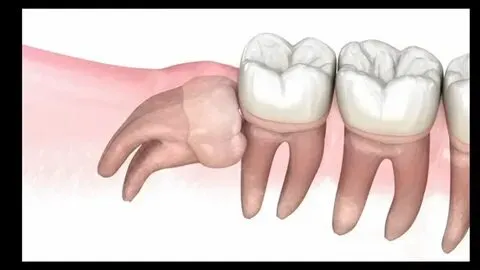
Wisdom teeth, also known as third molars, usually emerge in the late teens or early twenties. While some people experience no issues when these teeth erupt, many face problems due to lack of space in the jaw. When a wisdom tooth fails to erupt properly or gets trapped under the gum or bone, it is called an impacted wisdom tooth. If left untreated, impacted wisdom teeth can lead to pain, infection, and damage to surrounding teeth, making timely care essential.
Understanding the causes, symptoms, and available treatment options can help you make informed decisions and seek the right care at the right time.
What Are Impacted Wisdom Teeth?
An impacted wisdom tooth is one that does not fully come out into the mouth. This may happen because the jaw is too small, nearby teeth block its path, or the tooth grows at an incorrect angle. Impacted wisdom teeth may remain partially visible or completely hidden beneath the gums.
Dentists often recommend evaluation and, in many cases, wisdom tooth removal in Nagpur or other regions when impaction poses a risk to oral health.
Common Causes of Impacted Wisdom Teeth
Several factors contribute to wisdom tooth impaction, including:
Lack of Space in the Jaw
Modern diets and jaw structures often do not provide enough room for third molars to erupt normally. As a result, wisdom teeth may grow sideways or remain trapped.
Abnormal Tooth Angulation
Wisdom teeth may tilt toward neighboring teeth, the back of the mouth, or remain horizontal within the jawbone, preventing proper eruption.
Late Eruption
Since wisdom teeth are the last to erupt, surrounding teeth are already in place, increasing the chances of obstruction.
Genetic Factors
Jaw size and tooth alignment can be inherited, making some individuals more prone to impaction than others.
Symptoms of Impacted Wisdom Teeth
Some impacted wisdom teeth cause no immediate symptoms and are discovered during routine dental X-rays. However, many people experience noticeable signs, including:
Pain and Discomfort
Persistent pain at the back of the mouth or jaw is a common symptom, especially while chewing or opening the mouth.
Swelling and Redness
The gums around the impacted tooth may become swollen, tender, or inflamed.
Infection and Bad Breath
Partially erupted wisdom teeth can trap food and bacteria, leading to infection, bad breath, and an unpleasant taste.
Jaw Stiffness
Impaction may cause stiffness or difficulty opening the mouth fully.
Headaches or Ear Pain
Pain from impacted wisdom teeth can radiate to the ears, temples, or head.
Ignoring these symptoms may lead to complications, making early evaluation important.
Potential Problems If Left Untreated
Untreated impacted wisdom teeth can cause several oral health issues, such as:
- Recurrent gum infections (pericoronitis)
- Damage or decay of adjacent teeth
- Formation of cysts or tumors around the tooth
- Crowding or shifting of nearby teeth
- Increased risk of gum disease
Regular check-ups at a reliable dental clinic in Nagpur or your local area help identify these risks early.
Diagnosis of Impacted Wisdom Teeth
Dentists diagnose impacted wisdom teeth through a combination of clinical examination and dental imaging. X-rays or panoramic scans provide a clear view of tooth position, root development, and proximity to nerves or nearby teeth. Based on these findings, the dentist determines whether monitoring or treatment is required.
Treatment Options for Impacted Wisdom Teeth
Treatment depends on the severity of impaction, symptoms, and potential risks.
Monitoring and Observation
If the impacted tooth is not causing pain or complications, dentists may recommend regular monitoring with periodic X-rays.
Medication for Temporary Relief
Pain relievers, antibiotics, or antiseptic mouthwashes may help manage inflammation or infection temporarily. However, this does not address the underlying issue.
Surgical Removal
When symptoms persist or complications arise, surgical extraction is the most effective solution. The procedure involves removing the impacted tooth under local anesthesia or sedation, depending on complexity.
Dentists carefully plan the procedure to ensure safety, comfort, and minimal recovery time.
What to Expect During Wisdom Tooth Removal
Wisdom tooth extraction is a routine dental procedure when performed by experienced professionals. The process typically includes:
- Pre-procedure assessment and imaging
- Administration of anesthesia for pain-free treatment
- Gentle removal of the tooth, sometimes in sections
- Stitches if required to promote healing
Most patients return home the same day and recover within a few days to a week.
Recovery and Aftercare Tips
Proper aftercare plays a key role in smooth healing after removal:
- Rest and avoid strenuous activity for the first 24 hours
- Apply cold compresses to reduce swelling
- Eat soft foods and avoid hot or spicy items initially
- Maintain oral hygiene while avoiding the extraction site
- Follow your dentist’s instructions for medications and follow-up visits
With proper care, complications are rare, and recovery is usually quick.
When Should You Consider Removal?
Dentists often recommend removal when impacted wisdom teeth cause pain, infection, or pose future risks. Even asymptomatic impactions may require extraction if they threaten surrounding teeth or jaw health. Early intervention often leads to easier procedures and faster healing.
Choosing the Right Dental Care
Selecting an experienced dental team ensures accurate diagnosis, safe treatment, and comfortable recovery. Smilekraft Dental Clinic is known for its patient-focused approach, advanced diagnostic tools, and comprehensive oral care. The clinic emphasizes detailed evaluation and personalized treatment planning to help patients manage wisdom tooth concerns effectively.
Final Thoughts
Impacted wisdom teeth are a common dental issue that can affect long-term oral health if ignored. Recognizing early symptoms and seeking timely professional care can prevent pain, infection, and complications. Whether through monitoring or extraction, proper management ensures comfort and protects surrounding teeth.
If you experience persistent pain, swelling, or discomfort at the back of your mouth, a professional evaluation can help determine the best course of action. With expert guidance and the right care approach, impacted wisdom teeth can be treated safely and effectively, restoring comfort and oral health.
Source: https://medium.com/@smilekraft90/impacted-wisdom-teeth-causes-symptoms-and-treatment-options-0067082db4b7
Author Bio
Smilekraft Dental Clinic in Nagpur is a trusted name in dental care, known for providing gentle, affordable, and comprehensive dental treatments. As a leading dental clinic in Nagpur, we are committed to delivering high-quality oral healthcare using the latest technology and techniques.
Visit - https://www.smilekraftnagpur.com/
Article Comments
No Comments!
At present there are zero comments on this article.
Why not be the first to make a comment?
Similar Articles
Search Pages
Upgrade User Account
account to full use of editor,
including hyperlinks
Article Categories
There are zero sub-categories in this parent category.
There are zero sub-categories in this parent category.
Featured Articles










Featured Article Authors