How Root Canal Treatment Specialists Handle Complex Infections

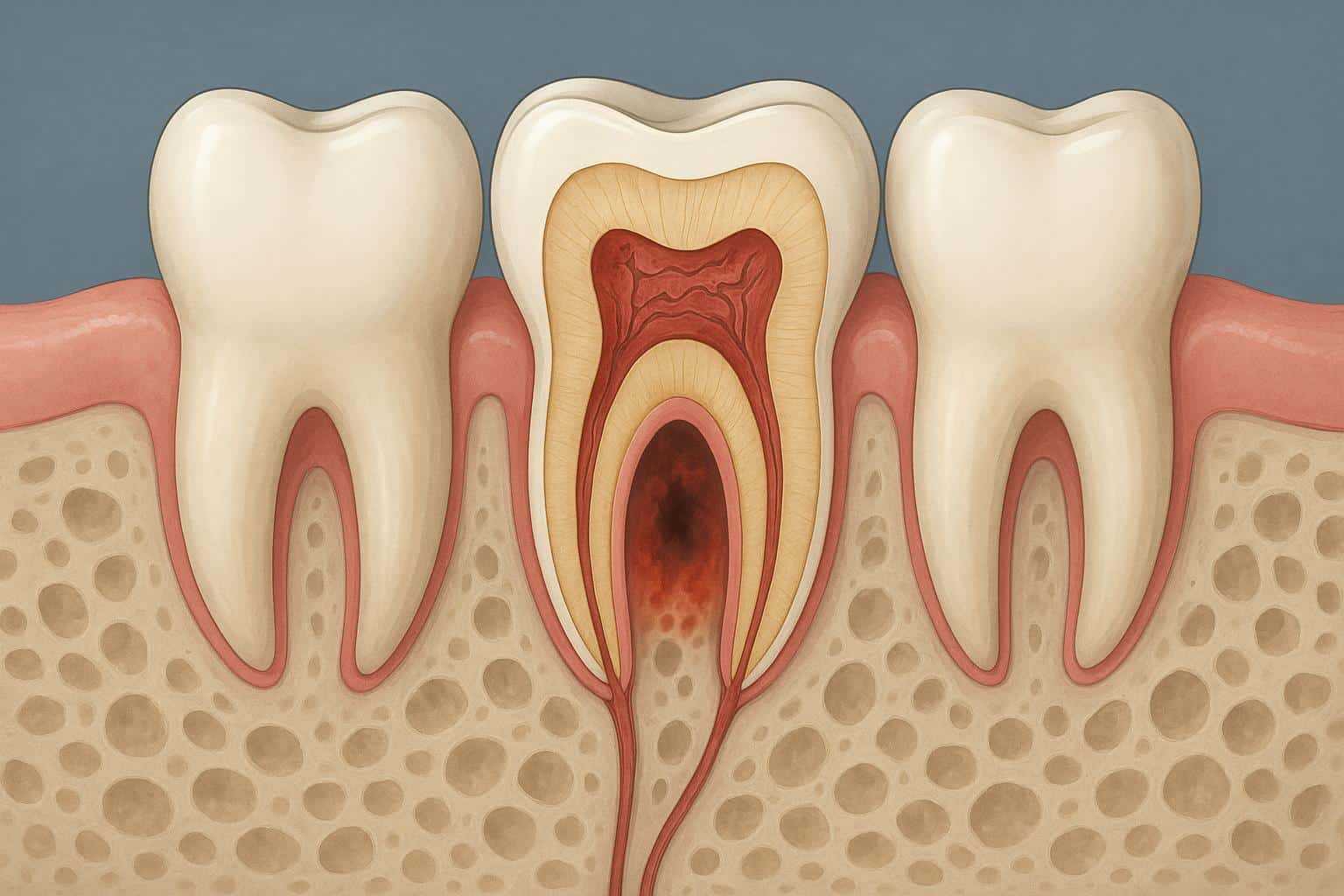
A tooth infection is never something to ignore. While early-stage decay can often be treated with simple fillings, advanced infections demand a higher level of expertise. This is where root canal treatment specialists play a critical role. Complex dental infections involve deeper tissue damage, multiple root canals, or reinfection risks that require precision, experience, and advanced techniques to manage successfully.
Understanding how specialists approach these challenging cases can help patients feel more confident and informed when facing root canal treatment.
What Makes a Root Canal Infection “Complex”?
Not all tooth infections are the same. A complex root canal infection typically goes beyond surface-level decay and may involve:
-
Deep bacterial penetration into the pulp
-
Curved, narrow, or calcified root canals
-
Multiple infected canals in a single tooth
-
Previously treated teeth with reinfection
-
Abscess formation spreading to surrounding bone
-
Cracked or fractured teeth allowing bacteria to re-enter
In such situations, standard treatment methods may not be sufficient. This is why visiting a root canal treatment specialist in Somalwada becomes essential for saving the tooth and preventing further complications.
Advanced Diagnosis: The First Step Specialists Take
Before any treatment begins, specialists focus heavily on accurate diagnosis. Managing complex infections starts with understanding the exact extent of the problem.
Specialists use:
-
Digital X-rays for detailed imaging
-
3D scans (CBCT) to view hidden canals and bone infection
-
Pulp vitality tests to assess nerve damage
-
Bite and pressure analysis to identify cracks or fractures
This comprehensive evaluation allows specialists to map out the root canal system precisely, ensuring no infected area is missed during treatment.
Cleaning Deep and Hidden Root Canals
One of the biggest challenges in complex infections is thoroughly cleaning the root canal system. Teeth can have intricate internal anatomy, with tiny branches that are invisible to the naked eye.
Root canal specialists rely on:
-
Dental operating microscopes for enhanced visibility
-
Ultrasonic instruments to remove debris from narrow canals
-
Flexible rotary files designed to navigate curved roots
-
Advanced irrigation solutions to eliminate bacteria
These tools allow specialists to clean areas that conventional techniques might miss, significantly reducing the risk of persistent infection.
Managing Severe Inflammation and Abscesses
In advanced cases, infection may spread beyond the tooth into surrounding bone or soft tissue, leading to abscesses, swelling, or severe pain.
Specialists handle this by:
-
Draining abscesses safely when required
-
Using medicated dressings inside canals between visits
-
Prescribing targeted antibiotics only when necessary
-
Allowing time for inflammation to subside before sealing the tooth
This staged approach ensures that the infection is fully controlled rather than rushed, which is critical in preventing recurrence.
Retreatment of Failed Root Canals
Sometimes, a tooth that has already undergone root canal treatment becomes reinfected. Retreatment cases are among the most complex situations specialists handle.
These cases may involve:
-
Removing old filling materials
-
Locating missed canals from previous treatments
-
Treating resistant bacterial strains
-
Repairing procedural complications such as ledges or perforations
Specialists carefully re-clean and reshape the canals before sealing them again, often restoring teeth that might otherwise require extraction.
Preserving Natural Tooth Structure
A key goal in managing complex infections is preserving as much natural tooth structure as possible. Specialists work with extreme precision to remove only infected tissue while maintaining the strength of the remaining tooth.
This approach:
-
Reduces the risk of fractures
-
Improves long-term tooth stability
-
Enhances the success of crowns or restorations placed later
Saving the natural tooth not only supports oral health but also helps maintain proper chewing function and jaw alignment.
Pain Management and Patient Comfort
Many patients associate root canal treatment with pain, especially in complex cases. However, specialists prioritize comfort at every stage.
They achieve this through:
-
Advanced local anesthesia techniques
-
Gentle instrumentation
-
Short, well-planned treatment sessions
-
Clear communication to reduce anxiety
Even severe infections can often be treated with minimal discomfort when handled by experienced hands.
Sealing the Tooth to Prevent Reinfection
Once the canals are thoroughly cleaned and disinfected, sealing them properly is crucial. Specialists use high-quality biocompatible materials to fill the canals tightly, preventing bacteria from re-entering.
A strong final restoration, such as a dental crown, is then recommended to:
-
Protect the treated tooth
-
Restore full chewing function
-
Prevent cracks or fractures
-
Extend the lifespan of the tooth
This final step is especially important in teeth that were structurally weakened by infection.
Why Specialist Expertise Makes a Difference
Complex root canal infections require more than just technical skill—they demand experience, patience, and problem-solving ability. Specialists are trained to anticipate complications and adapt their approach based on each tooth’s unique anatomy.
Patients seeking advanced care often turn to experienced centres like Salankar Dental and Implant Clinic, where complex infections are managed using evidence-based protocols and modern technology to achieve predictable outcomes.
Long-Term Follow-Up and Healing
After treatment, specialists monitor healing closely. Follow-up appointments and periodic X-rays ensure that:
-
Infection has resolved completely
-
Bone regeneration is occurring
-
The tooth remains symptom-free
This long-term oversight is vital for ensuring the success of complex root canal procedures.
Final Thoughts
Complex root canal infections can feel overwhelming, but they don’t have to lead to tooth loss. With advanced diagnostics, precise cleaning techniques, and specialist-level care, even severely infected teeth can often be saved successfully.
Seeking timely treatment from a skilled root canal specialist not only relieves pain but also protects your natural smile for years to come. When handled correctly, root canal therapy remains one of the most effective ways to eliminate infection while preserving what matters most—your natural teeth.
Author Bio
Article Comments
No Comments!
At present there are zero comments on this article.
Why not be the first to make a comment?
Similar Articles
Search Pages
Upgrade User Account
account to full use of editor,
including hyperlinks
Article Categories
There are zero sub-categories in this parent category.
There are zero sub-categories in this parent category.
Featured Articles












Featured Article Authors