Is Tooth Extraction Safe For Diabetic Patients In Besa? A Complete Guide

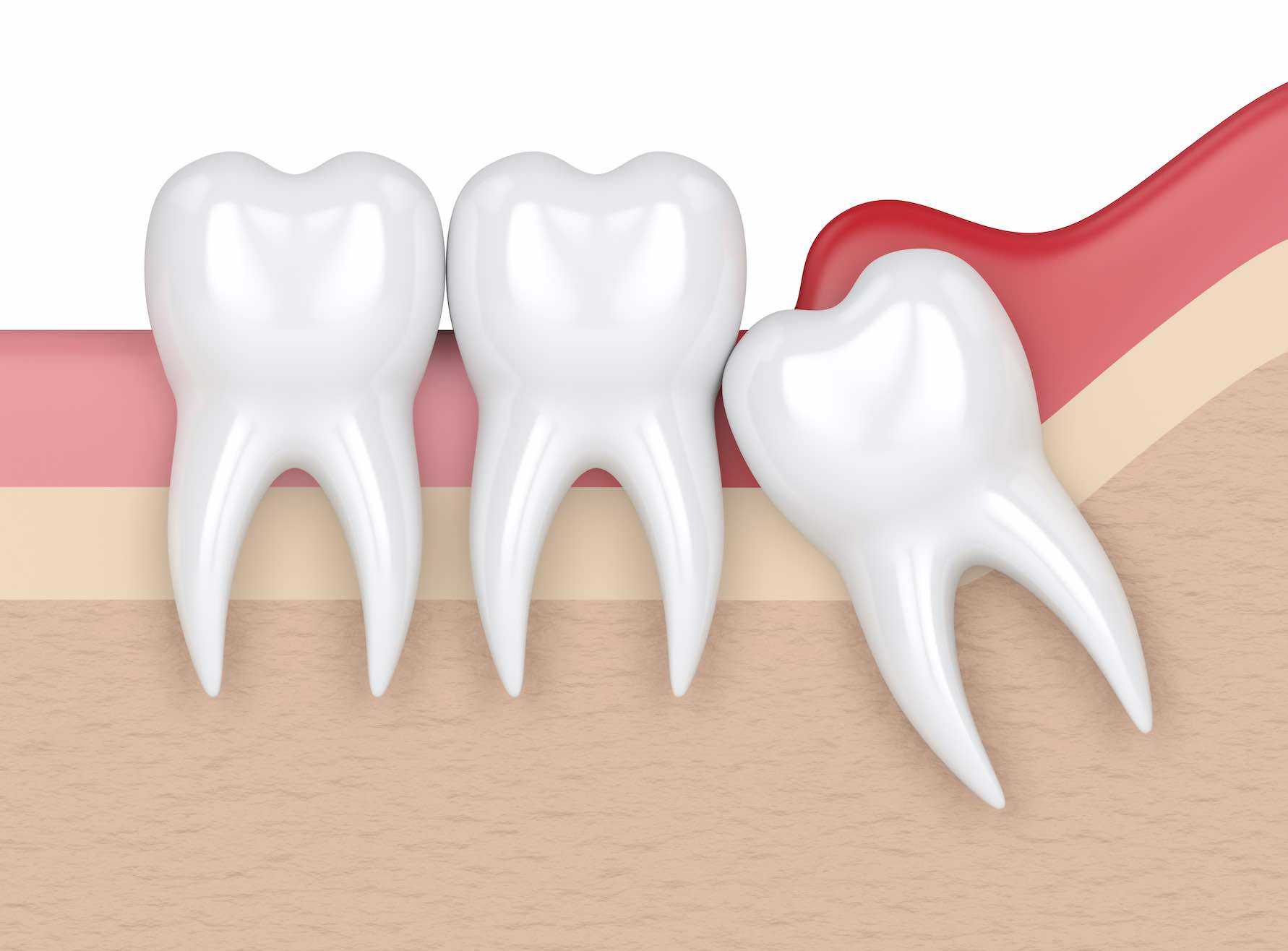
If you have diabetes and a dentist has told you a tooth needs to come out, your first reaction is probably worry. You may have heard that diabetics heal slowly, that infection risk is higher, or that dental procedures can destabilise blood sugar. These concerns have a basis in physiology. But they are not the full picture. Tooth extraction is performed safely on diabetic patients every day at well-equipped clinics. The key is approaching it correctly: right preparation, good blood sugar management, and an experienced dentist. This guide covers everything a diabetic patient in Besa needs to know.
Why Diabetes Affects Dental Healing
To understand why special precautions are needed, it helps to understand what diabetes does to the body's healing systems. Elevated blood glucose over time causes several changes that are directly relevant to surgical healing in the mouth.
High blood glucose impairs neutrophil and macrophage function, meaning the immune system is slower to mobilise against post-extraction bacteria and less efficient at clearing infections. Chronic hyperglycaemia also damages the small blood vessels that supply oxygen and nutrients to healing tissue, slowing repair and extending recovery timelines. Collagen production is impaired, producing weaker healing tissue, which is why dry socket and wound breakdown are more common in poorly controlled diabetics. Together these factors mean the margin for error is smaller, and preventive measures matter more than they do for non-diabetic patients.
Does This Mean Diabetics Cannot Have Tooth Extractions?
Absolutely not. Diabetes is a risk modifier, not a contraindication. An untreated infected tooth in a diabetic patient is a significantly greater risk than a planned, well-managed extraction: dental infection elevates blood glucose through the inflammatory response it generates, worsening glycaemic control in a compounding cycle. affordable tooth removal in Besa clinic is the practical first step.
Blood Sugar Targets Before a Tooth Extraction
Blood glucose control is the most important pre-operative variable. Most dental clinicians use these thresholds:
| Parameter | Acceptable Range for Elective Extraction | Action if Outside Range |
|---|---|---|
| Fasting blood glucose on the day | 70 to 180 mg/dL | Postpone and refer to physician for stabilisation |
| HbA1c (reflects 3-month control) | Below 8% (ideally below 7%) | Elective extraction deferred until better control is achieved |
| Random blood glucose on day of procedure | Below 200 mg/dL | Procedure postponed if above; emergency extraction managed with physician liaison |
These thresholds apply to elective extractions. Emergency extractions for acute infection with facial swelling or systemic spread are managed regardless of glucose levels, with concurrent medical management and antibiotic coverage, because the risk of leaving the infection untreated outweighs the procedural risk at any blood glucose level.
Never delay an emergency extraction for blood sugar reasons alone. Facial swelling, difficulty swallowing, or fever alongside dental pain require immediate care at a dental clinic in besa. Spreading dental infection in a diabetic patient can become life-threatening quickly.
Pre-Operative Preparation for Diabetic Patients
Start by disclosing your full diabetic history to your dentist in besa: the type of diabetes, all medications, your most recent HbA1c, and whether control has been stable recently. In the days before the appointment, work with your physician to optimise blood sugar as much as possible and check your fasting glucose on the morning of the procedure. Take regular oral hypoglycaemics and basal insulin as normal unless your physician advises an adjustment around fasting. Book a morning appointment when glucose is more predictable and clinic staff are available if a complication arises. Whether prophylactic antibiotics are needed is a clinical decision based on your HbA1c, extraction complexity, and the presence of existing infection. Your dentist makes this call at the consultation.
What Happens During the Extraction Appointment
The extraction procedure itself is not significantly different for a diabetic patient compared to a non-diabetic one, provided the pre-operative preparation has been completed correctly. A painless tooth removal experience is entirely achievable with proper local anaesthesia technique.
On arrival, the dental team checks your blood glucose with a portable glucometer. If within the safe range, the procedure proceeds. Adrenaline-containing local anaesthetics are generally safe for diabetic patients, though a reduced-adrenaline formulation may be preferred in patients with poor control or significant cardiovascular complications. The extraction itself follows the same steps as for any patient, but technique emphasis on minimising trauma is particularly important since trauma-related inflammation directly elevates blood glucose. For patients in Besa seeking tooth removal in Besa with a diabetic management approach, confirm at booking that blood glucose monitoring on arrival is part of the clinic's standard protocol.
Post-Extraction Care for Diabetic Patients: What Is Different
The post-operative period is where diabetic patients need to be most attentive. The increased infection risk and slower healing that diabetes introduces make careful post-operative management more important for this group than for the average extraction patient.
Monitoring, Diet and Wound Care
Check your blood glucose more frequently than usual for the first 48 to 72 hours. The stress response to the procedure, post-operative pain, and any developing infection will all elevate blood glucose. Eat soft, low-sugar foods: yogurt, eggs, dal, soft-cooked vegetables. Do not disturb the clot for the first 24 hours. Use gentle warm salt water rinses from day 2. Do not smoke. Complete any prescribed antibiotic course in full, even if the socket appears fine, as stopping early allows bacteria to re-establish.
Contact your tooth removal near Besa dental team immediately if you notice any of these after the procedure: increasing pain after 48 hours, worsening swelling after 24 hours, fever, pus or socket discharge, persistent bleeding, or a sudden unexplained blood glucose rise. Wound complications escalate faster in diabetic patients, and early intervention produces significantly better outcomes.
Same Day Extractions for Diabetic Patients: Is It Possible?
Same day tooth extraction for diabetic patients is possible when the blood glucose reading on the day is within the safe range and the extraction is straightforward. Many patients presenting with acute dental pain are assessed and treated on the same day after a glucometer check confirms it is safe to proceed. If the blood glucose is elevated on arrival, some patients can rest for 30 minutes, have a light snack to stabilise glucose if they are running low, or adjust their position and be reassessed before a decision is made.
For patients with well-controlled diabetes attending a planned appointment with a documented recent HbA1c in the acceptable range, affordable tooth removal Besa clinic is a routine occurrence. The planning and blood glucose check that precede it are what make it safe, not the avoidance of same-day treatment.
Finding the Right Clinic for Tooth Removal in Besa as a Diabetic Patient
When researching affordable tooth removal in Besa as a diabetic patient, look for these markers of a clinic equipped to manage your case safely.
- Medical history is collected before booking: A clinic that does not ask about diabetes, medications, and recent blood sugar readings before an extraction is not applying appropriate screening
- Blood glucose is checked on the day: This is a basic safety step that any well-run clinic should perform as standard for known diabetic patients
- Written post-operative instructions are provided: Particularly important for diabetic patients whose post-operative period is more complex and where not following care instructions carries greater consequences
- A complication protocol exists: Ask whether the clinic has a physician liaison or referral pathway for complications requiring combined medical and dental management
FAQs: Tooth Extraction for Diabetic Patients in Besa
Q1: My blood sugar is not well controlled. Can I still have an emergency extraction?
Yes. For genuine emergencies involving spreading infection, facial swelling, or unmanageable pain, extraction is performed regardless of blood glucose, with concurrent antibiotic coverage and physician liaison where possible. Leaving a spreading infection untreated in a diabetic patient carries far greater risk than an emergency extraction with elevated glucose. Attend a affordable tooth removal in Besa clinic immediately and inform them of your diabetic status and current blood sugar level.
Q2: Will the local anaesthetic interact with my diabetes medications?
Standard local anaesthetic formulations containing adrenaline (epinephrine) can cause a transient rise in blood glucose through the adrenaline's effect on glycogen release. This is usually modest and clinically insignificant in well-controlled patients. In patients with very poor control or significant cardiovascular diabetic complications, a reduced-adrenaline formulation may be preferred. The local anaesthetic itself does not interact with oral hypoglycaemics or insulin. Inform your
Q3: How long will the extraction socket take to heal with diabetes?
In well-controlled patients (HbA1c below 7 to 8%), healing is only modestly extended. In patients with HbA1c above 8 to 9%, healing is measurably slower and the risk of dry socket and secondary infection is noticeably higher. Maintaining good blood sugar control in the days after extraction is the most effective thing a diabetic patient can do to support their own healing. Full bone remodelling takes several months in all patients.
Q4: I need multiple teeth removed. All at once or separate appointments?
Multiple extractions in one session can be appropriate for well-controlled patients, minimising the number of separate healing episodes. The trade-off is a larger wound and a greater post-operative stress response elevating blood glucose more significantly. The decision is made individually based on your glycaemic control and extraction complexity. Discuss this at your consultation at a dental clinic in besa for a recommendation specific to your profile.
Q5: Is there anything I can do in the weeks before my extraction to improve my healing?
Yes, and the most impactful actions are largely within your control. Optimise your blood glucose control as much as possible in the 4 to 6 weeks before an elective extraction: this is the single most effective preparation a diabetic patient can make. If you smoke, stopping even 2 weeks before the procedure meaningfully improves tissue oxygen delivery and wound healing. Ensure your vitamin D and zinc levels are adequate, as deficiencies in both impair immune function and wound healing and are common in diabetic patients. Attend a pre-extraction dental assessment at a trusted tooth removal in Besa clinic that reviews your full medical history and gives you personalised preparation guidance before the extraction date is confirmed.
Conclusion: Diabetes and Tooth Extraction Are Manageable Together
Diabetes does not make tooth extraction prohibitively dangerous. It makes thorough preparation and careful post-operative management non-negotiable. Patients who follow the preparation steps, maintain blood glucose within the recommended range, and attend a clinic experienced in diabetic patient management have straightforward, uneventful outcomes. An infected tooth left untreated is far more dangerous for your blood sugar control and overall health than a well-planned extraction. Book a consultation at a clinic offering affordable tooth removal in Besa, bring your recent glucose records and medication list, and let an experienced dental team guide you through a procedure that is safer than you think when done correctly.
Source: Is Tooth Extraction Safe for Diabetic Patients in Besa? A Complete Guide
Author Bio
Article Comments
No Comments!
At present there are zero comments on this article.
Why not be the first to make a comment?
Similar Articles
Search Pages
Upgrade User Account
account to full use of editor,
including hyperlinks
Article Categories
There are zero sub-categories in this parent category.
There are zero sub-categories in this parent category.
Featured Articles









Featured Article Authors