Motibindu Surgery: Everything You Need To Know Before Treatment

Introduction
Vision is one of the most important senses, helping us perform everyday activities with ease and confidence. Whether reading a book, driving a vehicle, working on a computer, or recognizing loved ones, clear eyesight significantly impacts quality of life. However, various eye conditions can gradually affect vision, and one of the most common among adults is cataract, commonly known as motibindu.
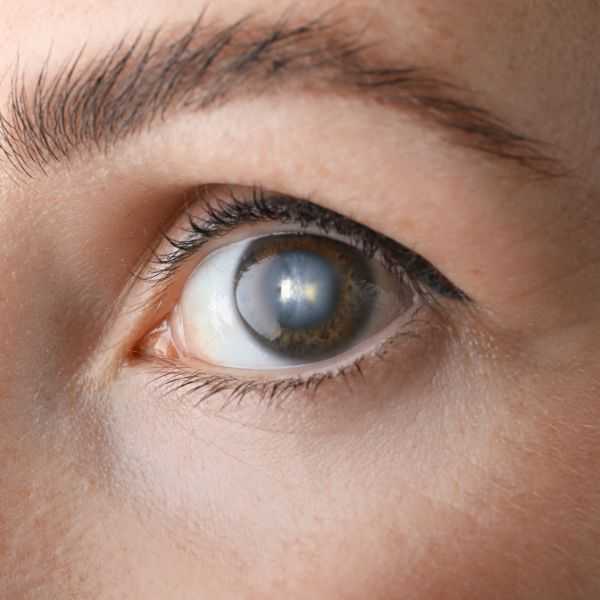
A cataract develops when the natural lens inside the eye becomes cloudy. As the cloudiness increases, light cannot pass through the lens effectively, resulting in blurred or distorted vision. Cataracts typically develop slowly, and many people may not realize their vision is deteriorating until daily tasks become more challenging. Fortunately, modern ophthalmology offers highly successful treatment options that can restore visual clarity and improve overall quality of life.
Patients researching motibindu operation in Chinchwad often want to understand how cataracts develop, when surgery becomes necessary, what the procedure involves, and what recovery looks like afterward.
This guide explains everything patients should know before cataract surgery, including symptoms, diagnosis, treatment planning, recovery expectations, and long-term care.
Understanding Cataracts
A cataract occurs when proteins within the eye's natural lens begin to break down and accumulate.
This process causes the lens to become cloudy.
As the clouding increases, vision becomes less clear.
Cataracts may affect one eye or both eyes and typically progress gradually.
How the Eye Lens Works
The natural lens sits behind the iris and pupil.
Its primary functions include:
-
Focusing light
-
Helping create clear images
-
Supporting vision at different distances
A healthy lens remains transparent.
When clouding develops, vision becomes impaired.
Common Symptoms of Cataracts
The symptoms often develop slowly over time.
Many people initially mistake cataract symptoms for normal aging.
Common signs include:
Blurred Vision
Objects may appear foggy or unclear.
Increased Glare
Bright lights may become uncomfortable.
Difficulty Driving at Night
Headlights may appear excessively bright.
Faded Colors
Colors may seem dull or yellowish.
Frequent Eyeglass Changes
Vision correction needs may change repeatedly.
Recognizing symptoms early can support timely evaluation.
Causes of Cataracts
Several factors may contribute to cataract development.
Aging
Age-related changes are the most common cause.
Diabetes
Certain health conditions increase risk.
Eye Trauma
Injuries may damage the lens.
Medication Use
Long-term use of some medications may contribute.
UV Exposure
Excessive sunlight exposure may affect lens health.
Understanding risk factors helps patients prioritize eye care.
Who Is at Greater Risk?
Certain individuals are more likely to develop cataracts.
Risk factors include:
-
Advanced age
-
Family history
-
Smoking
-
Diabetes
-
Previous eye injuries
Routine eye examinations become increasingly important with age.
How Cataracts Are Diagnosed
Diagnosis involves a comprehensive eye examination.
Several tests may be performed.
Visual Acuity Assessment
Measures vision sharpness.
Lens Evaluation
Examines clouding within the lens.
Retinal Examination
Assesses the health of the retina.
Eye Pressure Testing
Screens for other eye conditions.
Accurate diagnosis helps guide treatment recommendations.
When Is Surgery Recommended?
Not every cataract requires immediate surgery.
In the early stages, vision may sometimes be managed with:
-
Updated eyeglasses
-
Improved lighting
-
Lifestyle adjustments
Surgery is often considered when cataracts begin affecting daily activities.
Understanding Modern Cataract Care
Advances in ophthalmology have significantly improved treatment outcomes.
Many patients seek an eye specialist for motibindu because specialized evaluation helps determine the most appropriate treatment timing and lens options.
Modern cataract surgery is highly refined and predictable.
What Happens During Cataract Surgery?
The procedure involves removing the cloudy natural lens and replacing it with a clear artificial lens.
The artificial lens is known as an intraocular lens.
The procedure is designed to:
-
Restore vision
-
Improve clarity
-
Reduce visual limitations
Most surgeries are completed on an outpatient basis.
Understanding Intraocular Lenses
Several lens options may be available.
Monofocal Lenses
Provide focus at one primary distance.
Multifocal Lenses
Offer vision at multiple distances.
Toric Lenses
Help address certain forms of astigmatism.
The most suitable lens depends on individual needs and lifestyle.
Benefits of Cataract Surgery
The procedure provides numerous benefits.
Improved Vision
Many patients experience significant visual improvement.
Enhanced Quality of Life
Daily activities become easier.
Better Color Perception
Colors often appear brighter and more vivid.
Increased Independence
Improved vision supports self-sufficiency.
Greater Confidence
Patients often feel more comfortable performing everyday tasks.
Preparing for Surgery
Proper preparation contributes to successful outcomes.
Preparation may include:
-
Detailed eye measurements
-
Lens selection discussions
-
Medical evaluations
-
Medication review
Following recommendations helps ensure smooth treatment.
What to Expect on Surgery Day
Patients typically arrive for treatment and undergo final preparation.
The procedure generally involves:
-
Eye preparation
-
Lens removal
-
Lens replacement
-
Brief recovery monitoring
Most individuals return home the same day.
Recovery After Cataract Surgery
Recovery is usually gradual and predictable.
Many patients notice visual improvement relatively quickly.
However, complete healing varies among individuals.
Common Recovery Experiences
Patients may experience:
Mild Irritation
Temporary discomfort is common.
Light Sensitivity
Bright lights may feel uncomfortable initially.
Gradual Vision Improvement
Clarity often improves over time.
Follow-Up Visits
Regular evaluations monitor healing progress.
Most symptoms improve as healing continues.
Supporting Recovery
Patients can support healing by:
-
Using prescribed medications
-
Avoiding eye rubbing
-
Wearing protective eyewear
-
Attending follow-up appointments
Following professional instructions helps reduce complications.
Potential Risks and Complications
Like any medical procedure, cataract surgery carries certain risks.
Potential concerns may include:
-
Infection
-
Inflammation
-
Temporary visual disturbances
Fortunately, serious complications are uncommon when proper care is provided.
Long-Term Results
Modern cataract surgery offers highly successful long-term outcomes.
Most patients experience:
-
Improved visual clarity
-
Better daily function
-
Enhanced quality of life
Results are often long-lasting.
Importance of Regular Eye Examinations
Even after successful treatment, routine eye care remains important.
Regular examinations help:
-
Monitor eye health
-
Detect new conditions early
-
Protect long-term vision
Ongoing care supports continued visual wellness.
Choosing the Right Eye Care Professional
Successful treatment begins with accurate diagnosis and personalized planning.
Many individuals seek treatment from an eye doctor in chinchwad because professional expertise helps ensure appropriate treatment recommendations and comprehensive care.
Experience and patient communication are important considerations.
Common Myths About Cataracts
Several misconceptions may prevent patients from seeking care.
Cataracts Must Become Severe Before Surgery
Modern surgery is often performed before vision becomes significantly impaired.
Cataracts Can Be Removed With Eye Drops
Currently, surgery remains the definitive treatment.
Cataracts Affect Only Elderly Individuals
Although common with age, cataracts may occur earlier in life.
Accurate information helps patients make informed decisions.
Maintaining Healthy Vision
Patients can support long-term eye health through:
-
Routine examinations
-
UV protection
-
Healthy nutrition
-
Chronic disease management
Preventive care remains important throughout life.
Conclusion
Cataracts are among the most common causes of vision impairment, but they are also one of the most successfully treated eye conditions. Understanding the symptoms, diagnosis process, treatment options, and recovery expectations helps patients approach treatment with greater confidence.
Individuals considering motibindu operation in Chinchwad often find that modern cataract surgery offers safe, effective, and predictable visual improvement. Consultation with an experienced eye specialist for motibindu can help determine the right treatment plan and timing.
Working with a qualified eye doctor in chinchwad ensures access to comprehensive eye care, personalized recommendations, and long-term support for maintaining healthy vision and overall quality of life.
Frequently Asked Questions
What is a cataract?
A cataract is the clouding of the eye's natural lens, which affects visual clarity.
What are common cataract symptoms?
Blurred vision, glare sensitivity, difficulty seeing at night, and faded colors are common symptoms.
Is cataract surgery safe?
Modern cataract surgery is considered one of the safest and most successful eye procedures.
How long does recovery take?
Recovery varies, but many patients notice vision improvement within a short period.
Can cataracts return after surgery?
The removed cataract does not return, although other lens-related changes may occasionally occur and can often be treated.
Source: Affordable Motibindu Surgery
Author Bio
Article Comments
No Comments!
At present there are zero comments on this article.
Why not be the first to make a comment?
Similar Articles
Search Pages
Upgrade User Account
account to full use of editor,
including hyperlinks
Article Categories
There are zero sub-categories in this parent category.
There are zero sub-categories in this parent category.
Featured Articles












Featured Article Authors