Missing Teeth? How Teeth Implants Can Restore Your Smile

Introduction
Losing a tooth is more than just an aesthetic concern. Every tooth plays an important role in maintaining proper chewing function, speech, facial structure, and the alignment of neighboring teeth. When a tooth is lost and not replaced, the surrounding teeth may gradually shift, the jawbone may begin to shrink, and everyday activities such as eating and speaking can become increasingly difficult.
Fortunately, modern dentistry offers highly predictable solutions for replacing missing teeth. Among them, dental implants are widely regarded as one of the most reliable long-term treatment options. Unlike removable dentures or conventional bridges, implants replace both the visible tooth and the root beneath the gums, helping restore natural function while preserving jawbone health.
People searching for dental implant treatment in Nagpur often want a permanent solution that feels comfortable, looks natural, and allows them to smile confidently again. Understanding how implants work and their long-term benefits helps patients make informed decisions about restoring their oral health.
This article explains why replacing missing teeth is important, how dental implants restore your smile, and what patients should know before beginning treatment.
Why Missing Teeth Affect More Than Your Smile
Many people postpone treatment after losing a tooth because they believe it only affects appearance.
However, missing teeth can create several functional problems.
These include:
-
Difficulty chewing
-
Reduced speech clarity
-
Shifting of nearby teeth
-
Bite imbalance
-
Jawbone loss
-
Facial changes
-
Reduced confidence
Replacing missing teeth early helps minimize these complications.
Understanding Dental Implants
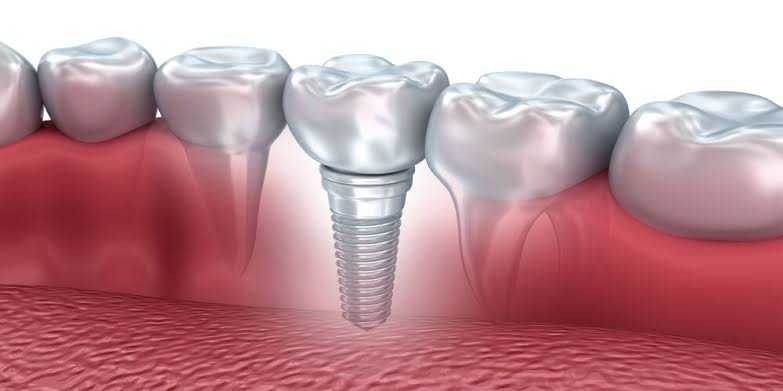
A dental implant is an artificial titanium root that is surgically positioned within the jawbone.
Once healing is complete, a custom-made crown is attached to the implant, creating a restoration that closely resembles a natural tooth.
A complete implant restoration consists of:
-
Titanium implant
-
Abutment
-
Ceramic crown
Each component contributes to long-term strength and stability.
How Dental Implants Restore Oral Function
Dental implants do much more than fill an empty space.
They help restore:
Comfortable Chewing
Implants provide excellent stability during eating.
Natural Appearance
Custom crowns are designed to blend with surrounding teeth.
Speech
Stable restorations improve pronunciation and confidence while speaking.
Jawbone Health
Implants stimulate the jawbone during chewing, helping reduce bone loss.
Who Is a Good Candidate?
Many adults qualify for implant treatment.
Suitable candidates generally have:
-
Healthy gums
-
Sufficient jawbone
-
Good oral hygiene
-
Stable overall health
Each patient requires a detailed clinical assessment before treatment.
The Implant Treatment Process
Treatment is carefully planned for every patient.
Consultation
The dentist evaluates:
-
Oral health
-
Medical history
-
Bone condition
-
Treatment expectations
Digital Imaging
Advanced imaging assists with accurate planning.
Implant Placement
The implant is carefully positioned within the jawbone.
Healing
The implant gradually integrates with surrounding bone.
Final Restoration
A customized crown is attached after successful healing.
Long-Term Solution for Tooth Loss
Many patients choose implants because they provide a permanent solution for missing teeth by restoring stability, preserving jawbone health, and functioning similarly to natural teeth with proper care and maintenance.
This makes implants one of the most dependable restorative treatments available today.
Advantages of Dental Implants
Dental implants offer numerous long-term benefits.
Improved Comfort
Implants remain securely fixed while chewing.
Better Oral Health
Healthy neighboring teeth remain untouched.
Bone Preservation
Functional stimulation helps maintain jawbone density.
Durability
Properly maintained implants can remain successful for many years.
Confidence
Many patients feel more comfortable smiling, speaking, and eating.
Caring for Dental Implants
Daily maintenance supports long-term success.
Recommended habits include:
-
Brushing twice daily
-
Cleaning between teeth
-
Regular professional examinations
-
Healthy gum care
-
Avoiding tobacco whenever possible
Good oral hygiene protects both implants and surrounding tissues.
Recovery After Treatment
Most patients recover comfortably following implant placement.
Temporary symptoms may include:
-
Mild swelling
-
Slight tenderness
-
Minor discomfort
Following post-treatment instructions helps promote successful healing.
Why Timely Replacement Matters
Replacing missing teeth early may help:
-
Preserve jawbone
-
Maintain bite stability
-
Prevent tooth movement
-
Improve chewing efficiency
-
Protect facial appearance
Delaying treatment can sometimes increase future treatment complexity.
Choosing the Right Dental Provider
Selecting an experienced dental clinic near nagpur allows patients to benefit from comprehensive diagnosis, personalized treatment planning, advanced imaging, and long-term follow-up that contribute to predictable implant success and natural-looking smile restoration.
Professional expertise significantly influences treatment outcomes.
Common Myths About Dental Implants
Implants Look Artificial
Modern restorations are carefully designed to resemble natural teeth.
Implant Treatment Is Only Cosmetic
Implants restore both appearance and function.
Older Adults Cannot Receive Implants
Overall health and bone condition are generally more important than age.
Life After Dental Implants
Successful treatment often allows patients to enjoy:
-
Comfortable eating
-
Better speech
-
Improved confidence
-
Stable bite function
-
Long-lasting smile restoration
Many individuals report that implants feel remarkably similar to natural teeth.
Conclusion
Missing teeth affect chewing, speech, jawbone health, facial appearance, and overall confidence. Dental implants provide one of the most effective long-term solutions because they replace both the missing tooth and its supporting root, helping restore natural function while preserving surrounding oral structures.
Patients considering dental implant treatment should seek professional evaluation to determine the most appropriate treatment plan. Choosing a permanent solution for missing teeth offers long-term stability, improved oral health, and renewed confidence.
Consulting an experienced dental clinic ensures access to individualized care, advanced technology, and comprehensive treatment designed to restore both function and a healthy, natural-looking smile.
Frequently Asked Questions
What are dental implants?
Dental implants are artificial tooth roots that support replacement teeth.
How do implants help preserve jawbone?
They stimulate the jawbone during chewing, helping reduce bone loss.
Are dental implants long-lasting?
With proper care, implants can function successfully for many years.
Can implants replace a single missing tooth?
Yes. A single implant is often ideal for replacing one missing tooth.
Why should missing teeth be replaced quickly?
Early replacement helps maintain jawbone, bite stability, and overall oral health.
Source: Sites.google.com
Author Bio
Article Comments
No Comments!
At present there are zero comments on this article.
Why not be the first to make a comment?
Similar Articles
Search Pages
Upgrade User Account
account to full use of editor,
including hyperlinks
Article Categories
There are zero sub-categories in this parent category.
There are zero sub-categories in this parent category.
Featured Articles












Featured Article Authors